
Why Your Garage Door Opener Is Slowing Down
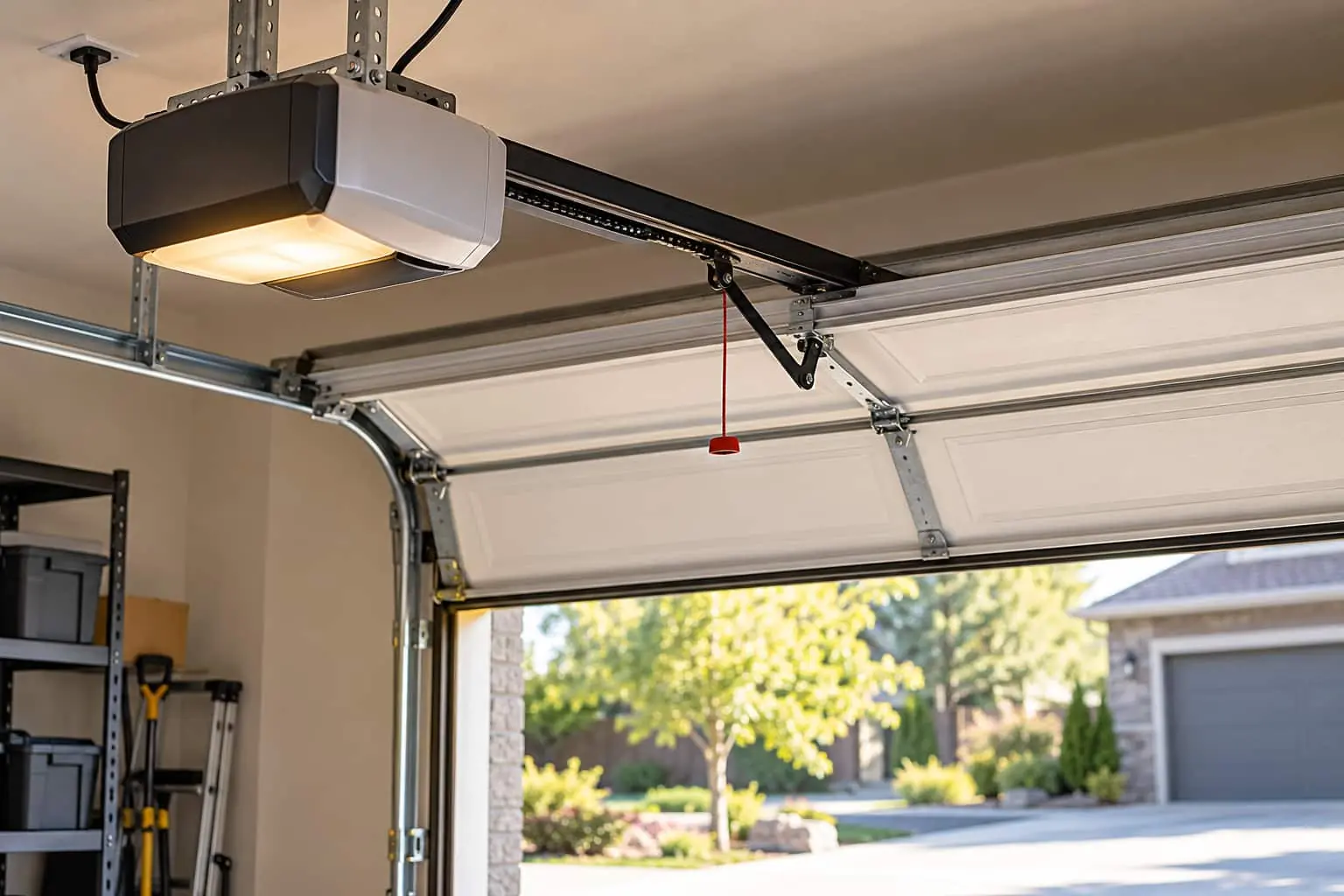
Your garage door opener should move the door at its manufacturer’s intended speed—a speed that gives you dependable access without an unnecessary wait. When it starts taking longer, ordinary routines become frustrating, whether it’s leaving for work or pulling into the garage during a downpour.
Taking the time to identify the possible causes can help you decide whether routine maintenance could be the solution or whether the system needs professional attention.
Possible Reasons Your Garage Door Opener Is Slowing Down
An opener works with the door’s rollers, tracks, hinges, and counterbalance springs. Resistance anywhere along that system can make movement appear sluggish, even when the motor itself is functioning. Several common problems deserve your attention:
- Weak or broken springs: The first thing to check if your garage door is opening slowly is to look to see if you have a broken spring on the garage door. When a spring breaks your door will become extremely heavy and the opener will struggle to lift it. Even if the spring isn’t broken you may need a pro to increase the tension on the spring to properly balance the door. Never attempt to adjust a spring yourself as they are under extreme tension and serious injury can result.
- Dry moving parts: Hinges, bearings, and appropriate roller components need lubrication according to the door manufacturer’s instructions (2x per year). Without it, friction increases and movement can become less smooth.
- Worn or damaged rollers: Rollers that are cracked, distorted, or no longer turning freely due to worn out bearings can drag through the tracks, adding resistance as the door travels.
- Dirty or misaligned tracks: Accumulated debris can interfere with roller movement, while bent door sections or displaced tracks may cause binding that cleaning alone cannot resolve.
- Battery backup operation: Some openers run more slowly while using battery backup power. A change following an outage or loss of outlet power may indicator that operating mode. Most openers will emit an intermittent beeping sound when they are operating under battery back-up power.
- An aging motor or worn drive components: If maintenance and power checks don’t resolve the slowdown, a professional will need to assess the opener before deciding on repairs or replacement.
What You Can Do About a Slow Garage Door Opener
Start by checking the system for visible issues and carry out any basic tasks recommended in the owner’s manual. Keep children, pets, and vehicles away from the door during checks. If the door hangs unevenly or makes a sudden loud bang, stop operating it and call a professional.
Observe the Door Before Making Changes
Notice whether the slowdown affects opening and/or closing, and while you do so, listen for grinding or squeaking and note whether movement changes at a particular point.
Compare your opener’s operating behavior to how it’s described in the manual. Avoid increasing force settings to push through resistance, as the underlying issue typically needs attention. Simply increasing the force setting may get the door working temporarily but can quickly lead to stripped out motor gears if the door is operating poorly. A door that repeatedly stalls or reverses should be checked before you continue cycling it.
Clean Accessible Track Surfaces
With the door fully closed, isolate the opener’s electrical supply, including any backup power sources. Wipe accessible dirt and debris from the tracks with a damp cloth, then dry the surfaces.
Keep fingers clear of rollers and hinges. Tracks generally need to remain clean rather than greased, since lubricant can collect dirt. Leave bent tracks, displaced rollers, and alignment adjustments to a technician. Forcing a damaged section back into position may create further issues.
Lubricate the Parts Your Manual Specifies
Use a garage door lubricant approved for your specific components. Depending on the manufacturer’s guidance, that may be a silicone-based product or white lithium grease. Apply a small amount to specified hinge pivots, bearings, and roller components, then remove any excess.
Check Whether Backup Power Is Active
Look for the battery status indicator and compare its lights or sounds with the manual. Some models deliberately reduce travel speed on backup power, so slower movement during an outage can be normal.
Confirm that the opener is plugged in and normal household power is available. If the outlet remains without power or shows signs of damage, arrange an electrical inspection.
Take note: restoring normal power may resolve battery-related slowing, while persistent symptoms need further assessment.
Arrange Professional Help When Needed
If the slowdown continues, contact a garage door professional and share your observations. Then, arrange for an in-person consultation if necessary.
Dependable garage access makes busy mornings and evenings at home easier. Contact us at The Door House for professional help with a slow garage door opener. Let’s identify the cause and discuss the service needed to restore smooth, reliable operation at the correct speed.