
Signs Your Garage Door Opener Is Nearing the End of Its Life
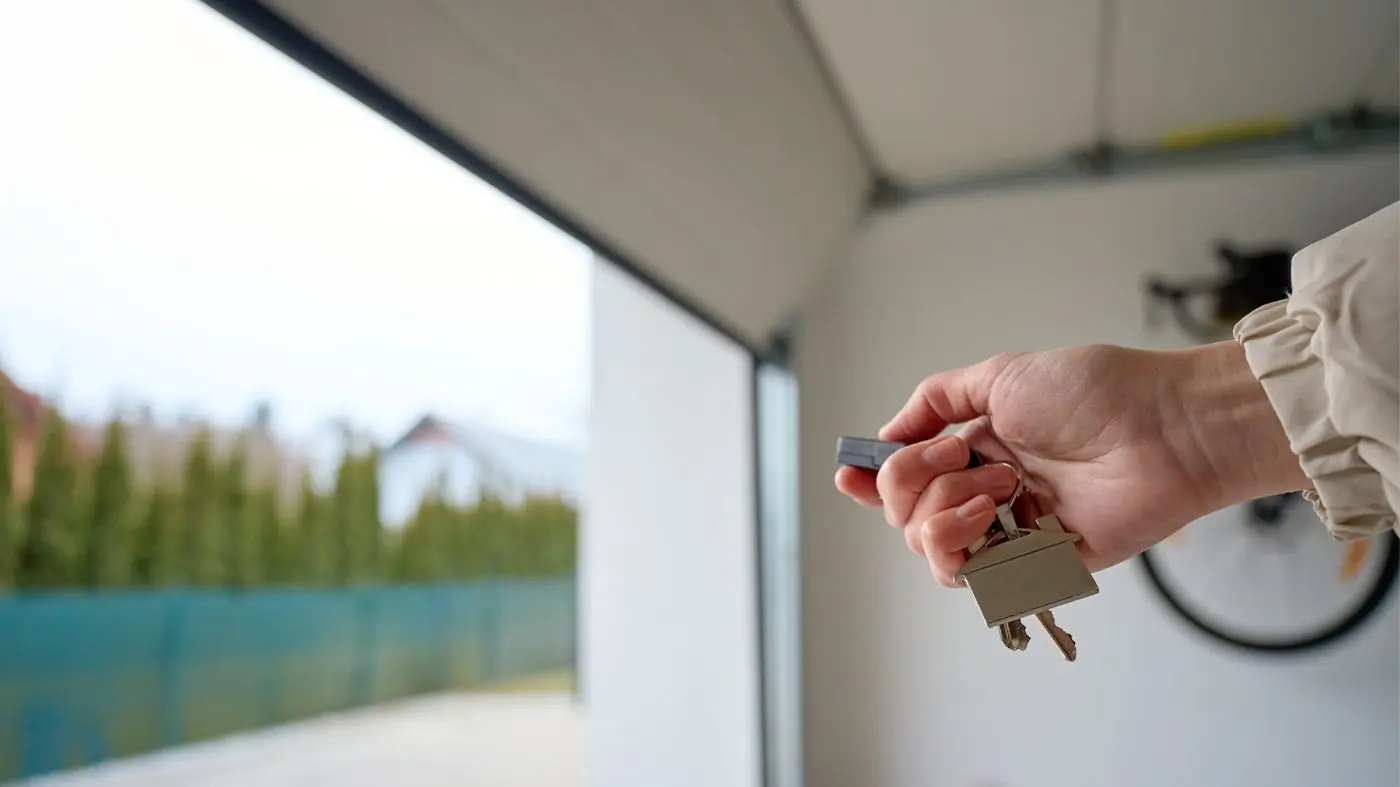
Most garage door openers last around 15 to 20 years, although actual service life depends on quality, usage, maintenance, installation quality, and the condition of the garage door itself. An opener that’s approaching the end of that range may continue working, but its performance can gradually deteriorate, which is visible through several signs.
Recognizing those signs early gives you time to consider replacement before the unit becomes a safety problem.
Signs Your Garage Door Opener May Need Replacement
Age alone does not automatically mean an opener needs to go, but an older opener that shows several performance problems deserves closer attention. Here are some signs to watch out for:
1. The Garage Door Works Inconsistently
If your garage door occasionally refuses to move, stops partway through a cycle, hesitates, or reverses without an obvious obstruction, the opener may be developing an internal problem.
Intermittent performance issues can have several causes, including problems with the controls, sensors, wiring, internal electronics or even the door itself.
2. The Opener Has Become Much Louder
Garage door openers naturally produce some sound, particularly chain-drive models. A noticeable change in the type or volume of noise is what’s concerning.
Grinding, rattling, screeching, or other harsh mechanical sounds can point to worn gears, aging motor components, or other internal parts that are struggling during operation. Additionally, increased noise can be particularly disruptive if the garage is attached to the house or located beneath a bedroom.
3. The Door Responds Slowly
If several seconds pass before the opener activates, or the door itself begins travelling noticeably slower than it once did, that’s not normal, and the system may need attention.
A delayed response can indicate an issue with the opener’s electronics or another aging component. Slow door travel may have other causes as well, so the complete garage door system should be checked before assuming the motor is responsible.
4. The Motor Struggles or Stalls
A garage door opener should move a properly balanced door without sounding as though it’s fighting against the weight.
A motor that stalls during operation or repeatedly struggles to complete a cycle may be wearing down. However, problems with garage door springs, rollers, tracks, or door balance can place extra strain on the opener as well.
5. The Opener Shakes Excessively
Some vibration is normal while an opener is running. Strong shaking or movement around the motor housing is different.
An opener that vibrates heavily during operation may have worn internal components or mounting problems. Movement around ceiling brackets should be addressed, as the opener needs to remain securely mounted while controlling a large moving door.
6. Repairs Are Becoming Frequent
If you or a professional has done several of the repairs needed for the items above, it’s now a different story.
Replacing gears only to encounter an electrical problem later, followed by another failing component several months down the road, can turn an inexpensive fix into an ongoing expense. Parts for some older models may also become harder to obtain.
If your opener is already near or beyond its expected 15 to 20 year lifespan, comparing repair costs with the price and benefits of a new system can help you make a more informed choice.
Got Safety Concerns With an Aging Garage Door Opener?
A garage door is large and heavy, and the opener works alongside springs, tracks, sensors, controls, and other components to keep its movement predictable.
Several issues can become particularly concerning as an opener ages:
- Safety sensor problems
- Failure to reverse
- Uncontrolled or unexpected movement
- Electrical problems
- Unexpected opening
Replacing components before a complete failure can help preserve the convenience you expect from your garage while giving you access to more modern, useful features.
If your opener is approaching the 15 to 20 year mark and problems are becoming more frequent, contact us at The Door House to have the entire garage door system inspected. Our professionals can identify whether a repair still makes sense or whether a new chain-drive, belt-drive, or wall-mount opener offers better value for the years ahead.